Exfoliants And Your Skin
The benefits, uses and types of exfoliants
Exfoliants have played a prominent role in the cosmetic industry for a long time. Due to it’s many uses and applications for removal of dead skin and dirt, they are a most desirable ingredient. Believe it or not, wine was a very popular exfoliating agent until the Middle Ages. Cleopatra, known for having amazing skin, took regular lactic acid and goat milk baths in the hopes of rejuvenating and chemically exfoliating her amazing skin. Ah yes, vanity!
Quite simply exfoliation is the process of removing dead skin cells from the outermost layer of our skin. There are two types of exfoliants: physical and chemical.
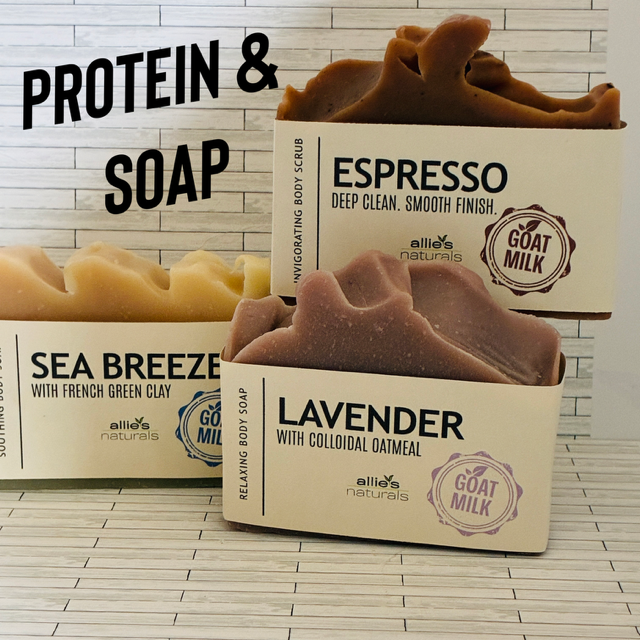
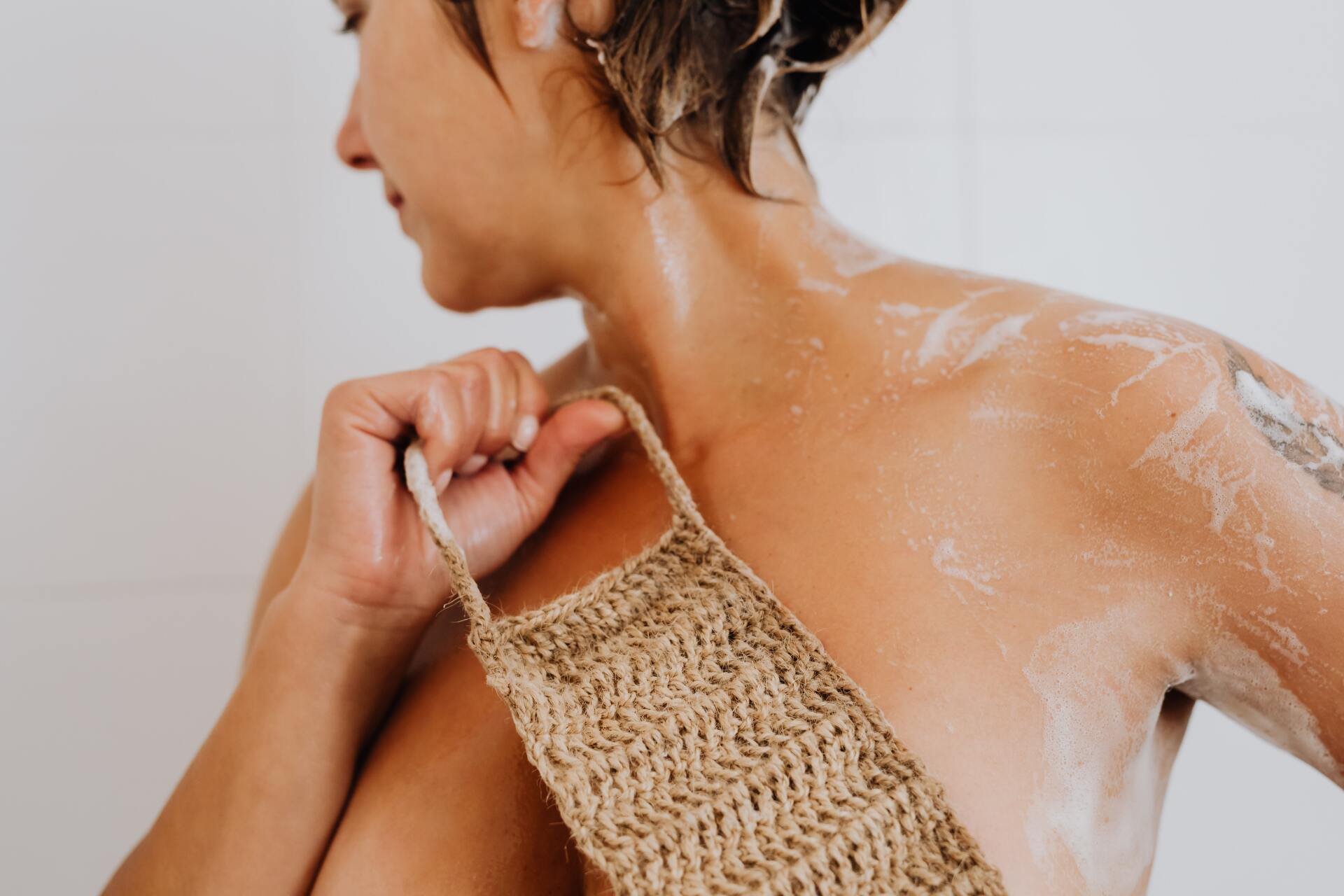
Physical Exfoliants also known as mechanical exfoliants are very common. They are granular substances which act as micro scrubs to physically buff the skins surface to remove dead skin cell buildup. These are commonly found in the form of brushes, sponges, scrubs, and soaps. Physical exfoliation produces a glow that you can feel immediately due to the immediate increase of blood flow to the worked area.
Chemical Exfoliants use enzymes or acid-based solutions that dissolve the protein bonds between dead skin cells enabling easy removal. These include AHA’s, BHA’s that naturally help slough off dead skin cells. Quite simply chemical exfoliants do the work for you, you simply apply.
Before you make exfoliating part of your skincare routine, determine what process will work well for your skin type. Individuals with sensitive skin are encouraged to use a chemical exfoliant since these can be formulated to be gentler than using the physical form. Starting with an aggressive physical exfoliant can cause skin irritation and redness. While exfoliating is great for removing dead and damaged skin cells, refrain from exfoliating over cuts, open wounds, and sunburn. After exfoliating it is recommended to apply a moisturizer as it will lock the moisture in and keep the skin both hydrated and rejuvenated. Hydration is also very important; be sure you are consuming an adequate amount of H2O.
Some benefits of adding exfoliating to your routine include:
Acne Prevention: Helps unclog pores and reduce acne breakouts because the skin is cleared of dead skin and other dirt impurities.
Enhance Absorption: Helps improve the effectiveness of skin care products by removing the extra layer of dirt thereby enhancing the products ability to penetrate the skin.
Balance Skin Tone: Exfoliating helps to remove dead and dry skin cells which aid in smoothing rough patches resulting in a more balanced skin tone.
Promote Callogen: Helps to improve the skins elasticity making the skin plumper and tighter. It also helps with the aging process reducing the appearance of fine lines and wrinkles.
The skin undergoes a cell turnover every month. Our skin sheds dead cells and forms new ones. Exfoliants help in that process. When you do exfoliate only do it twice a week, the more aggressive your method, the less often you should do it. Always consult a skin care professional before embarking on any type of new routine.
Our Bare Body Bar includes loofah as a mild exfoliant. With only a handful of natural ingredients, it maybe the ideal body bar for those with sensitive skin.
Any questions please reach out to me! Best contact is through email: michael@alliesnaturals.com