Air Pollution & Your Skin: Do You Really Need an “Anti-Pollution” Skincare Routine?
Pollution can affect more than the air you breathe. Here’s what it may mean for your skin—and why the solution doesn’t have to be complicated.
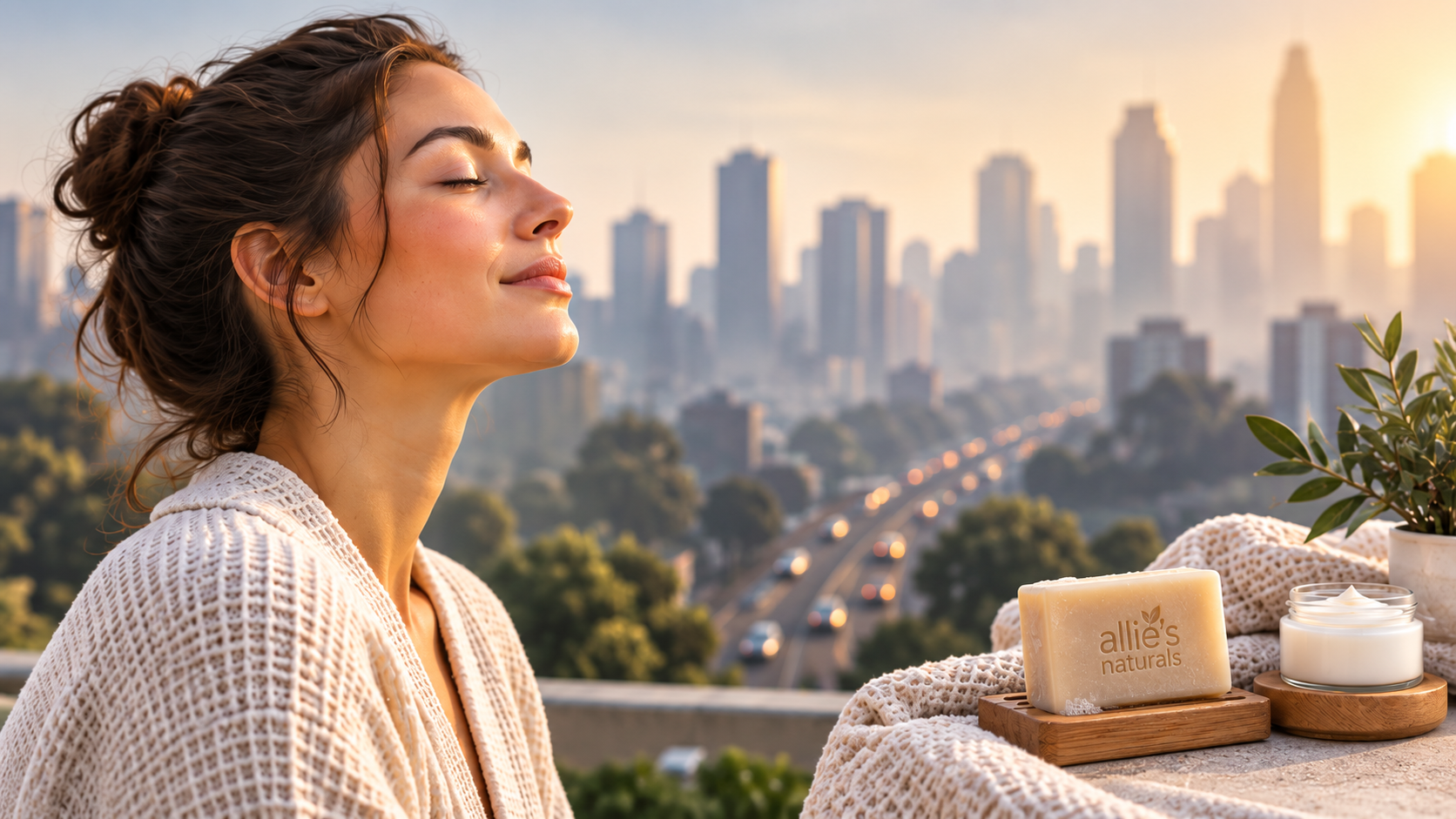
We hear a lot about the effects of air pollution on our lungs and overall health. But there's another part of your body that's exposed to the environment every single day: YOUR SKIN.
Traffic exhaust, smoke, particulate matter and other airborne pollutants can come into contact with exposed skin throughout the day. Research has associated exposure to air pollution with oxidative stress, inflammation, changes in pigmentation and visible signs of skin aging. That sounds pretty alarming. And, naturally, the skincare industry has responded with another category of products: “anti-pollution skincare.” Special cleansers. Serums. Antioxidant treatments. Barrier products. Pollution-defense creams. But before you add another five products to your bathroom counter, let's simplify things.
What Does Air Pollution Actually Do to Your Skin?
Your skin isn't just a covering. It's a protective barrier between your body and the outside environment. Air pollution contains a mixture of gases and microscopic particles. Some particles are small enough to settle onto the surface of your skin and interact with the skin barrier. Researchers believe pollution exposure can contribute to the formation of free radicals and oxidative stress. Oxidative stress happens when there is an imbalance between free radicals and the body's ability to neutralize them. Over time, that process may contribute to inflammation and damage to components of the skin. Studies have found associations between certain types of pollution exposure and things such as dark spots, uneven pigmentation and signs of premature skin aging. But here's the important part: You don't need to panic every time you walk down a city street. And you don't necessarily need a product with POLLUTION DEFENSE written across the bottle.
You need to take care of your skin.
Step One: Cleanse
Think about what your skin encounters during an ordinary day. Sweat. Oil. Dirt. Makeup. Sunscreen. And whatever happens to be floating around in the environment. That's why cleansing at the end of the day matters. A good cleanser helps remove the day's accumulation from the surface of your skin. But there's an important distinction: Clean doesn't have to mean stripped.
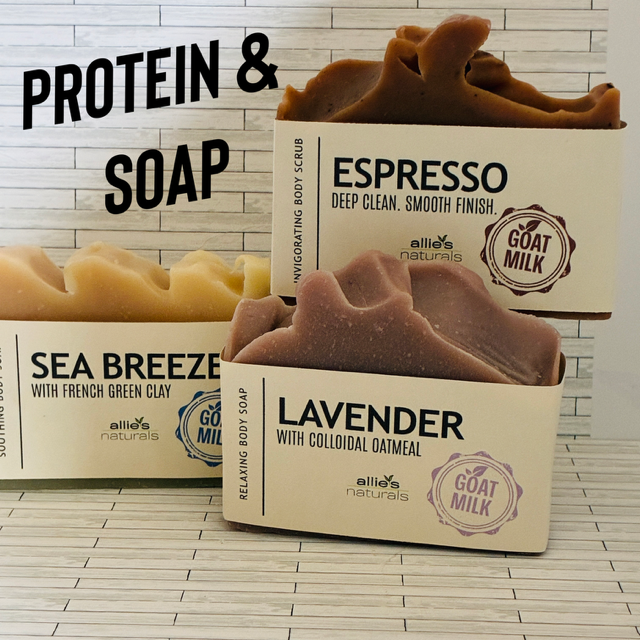
Over-cleansing or using a cleanser that leaves your skin feeling extremely dry and tight isn't necessarily better. At Allie's Naturals, we say it all the time: Your skin should feel clean. Not tight. That's one reason we're so passionate about thoughtfully formulated goat milk soaps. Cleansing should do its job without turning your skincare routine into a battle with dry, uncomfortable skin.
Step Two: Moisturize
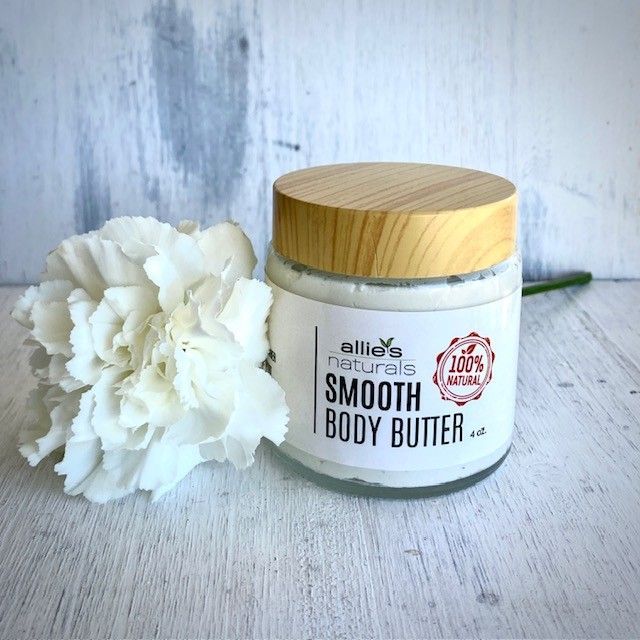
Once you've cleansed, your skin may benefit from putting moisture back into the equation. Moisturizers help reduce water loss from the skin and support the skin's moisture barrier. That's where a product like our Smooth Body Butter fits naturally into a simple routine. Body Butter doesn't need to “fight pollution.” It has a much simpler job. Moisturize your skin.
Our Smooth Body Butter combines shea butter, kokum butter and plant oils in a rich moisturizer designed to leave skin feeling soft and conditioned. Cleanse first. Moisturize second. Pretty simple.
Step Three: Protect
There's one more environmental factor we shouldn't forget while we're worrying about pollution: THE SUN. Ultraviolet radiation is a major contributor to premature skin aging and skin damage. That's why daily sun protection remains one of the most important things you can do for exposed skin. Look for a broad-spectrum sunscreen and use it according to the directions. And no—we don't make sunscreen. Sometimes healthy skincare means recommending something important even when we don't sell it.
Do You Need an Anti-Pollution Skincare Routine? Maybe the better question is: Do you already have a good skincare routine? You can find sophisticated products containing antioxidants and other ingredients being studied for their potential role in protecting skin from environmental stressors. There's nothing inherently wrong with those products. But don't let another skincare buzzword convince you that healthy skin suddenly requires an entirely new collection of products.
Start with the fundamentals.
Cleanse. Remove the day's buildup without unnecessarily stripping your skin.
Moisturize. Help maintain comfortable, hydrated skin and support your moisture barrier.
Protect. Use sunscreen and be sensible about excessive environmental exposure.
That's it.
Because whether the latest skincare conversation is about pollution, protein, the microbiome or whatever comes next, our philosophy isn't likely to change:
Healthy Skin Doesn't Have to Be Complicated.
Cleanse. Moisturize. Protect.
Healthy Skin Made Simple.
Thanks for reading,
Michael A. Carrubba
Founder & CEO Allie's Naturals